What are hearing protection standards in Australia and New Zealand?
Testing and standards
-
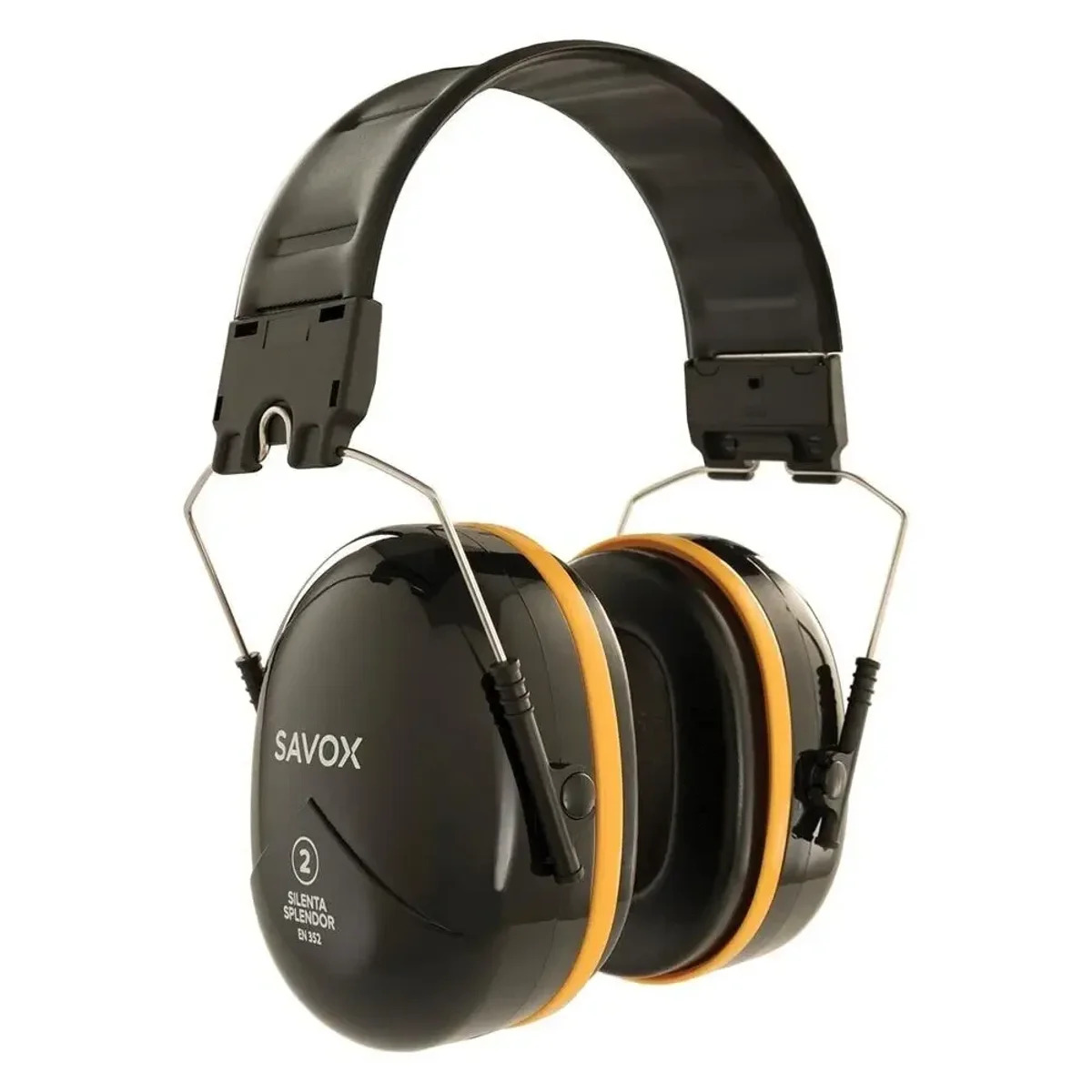
AS/NZS 1270:2002 Acoustics – Hearing protectors:This is the core standard for testing and classifying hearing protection in both countries.
-
SLC80 rating:The "Sound Level Conversion valid for 80% of the wearers" is the primary metric derived from the test.
- It represents the difference between the workplace noise level and the noise reaching the ear canal, with the number indicating the level of noise reduction that 80% of users can expect with a good fit.
Protection Classes:
The SLC80 value is used to assign hearing protection to one of five classes:
- Class 1: SLC80 10–13 dB (e.g., offices)
- Class 2: SLC80 14–17 dB (e.g., public transport)
- Class 3: SLC80 18–21 dB (e.g., factories, noisy urban areas)
- Class 4: SLC80 22–25 dB (e.g., loud worksites, power tools)
- Class 5: SLC80 26–30+ dB (e.g., heavy industry, mining)
How to select hearing protection
-
Measure noise exposure:Conduct a workplace noise survey to determine the average noise level over an eight-hour shift in dB(A).
-
Select the right class:Use the measured noise level to select the correct class from the information provided in the SLC80 values in Table
-
Check the label:Purchase a protector with a class or SLC80 rating that matches or exceeds your needs.


Thank you for posting your blog comment. It will be reviewed and set live soon. If you provided your email then you will be notified of replies to this comment.